
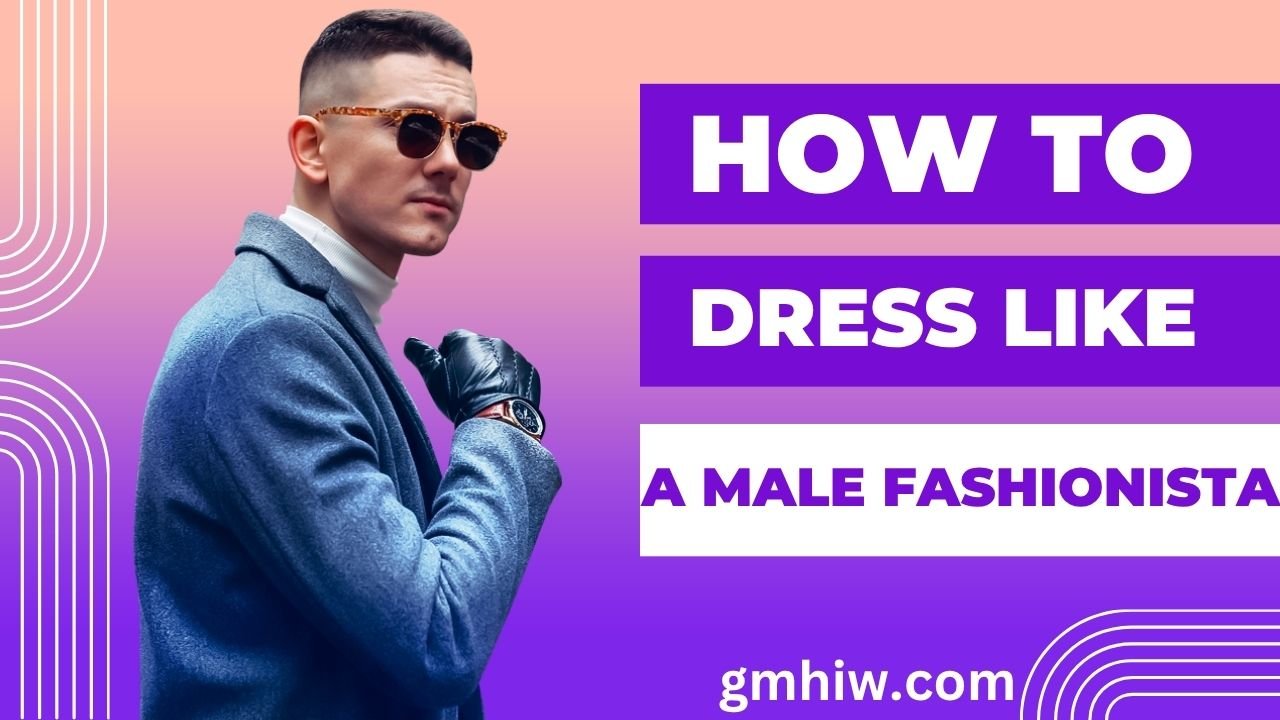
Research from Princeton University found that people form a first impression of you in just seven seconds. In those seven seconds, before you say a single word, people are already judging your confidence, competence, and status. A large part of what drives that judgment is how you look. That means the clothes you wear are doing a lot of work before you even open your mouth.
Most men do not think deeply about their clothes. They grab what is comfortable, what is familiar, or what was on sale. There is nothing wrong with comfort, but there is a real cost to dressing without intention. You miss out on opportunities to be taken more seriously, to feel more confident, and to make a stronger impression in every room you walk into.
Dressing like a male fashionista does not mean wearing designer labels or spending thousands of dollars on clothes. It means understanding a few core principles and applying them consistently. This guide will walk you through exactly what those principles are, how to build a strong wardrobe from scratch, and how to develop a personal style that is uniquely yours.
What It Actually Means to Be a Male Fashionista
The word “fashionista” gets thrown around a lot, and it can sound intimidating. But the definition is simpler than most people think. A male fashionista is a man who pays attention to how he dresses, makes intentional choices about his clothing, and presents himself in a way that feels polished and confident.
Being a male fashionista is not about being flashy or trying too hard. Some of the most stylish men in the world dress simply. What sets them apart is that every piece they wear fits well, works with the rest of their outfit, and reflects a clear sense of personal identity. That is the real goal.
Style is not the same as fashion. Fashion is what is trending right now, and it changes constantly. Style is what works for you, your body, your lifestyle, and your personality, and it can last a lifetime. A male fashionista builds a strong personal style first and then borrows selectively from current trends when they make sense. This distinction is important because it means you do not need to follow every new trend to look great.
Why Fit Is the Single Most Important Rule in Men’s Fashion
If there is one rule that separates stylish men from everyone else, it is fit. The fit of your clothes matters more than the brand, the price, or the style. A well-fitted shirt from a budget store will always look better than an expensive shirt that does not fit your body properly.
When clothes fit well, they make your body look proportional and put together. Clothes that are too big make you look sloppy and smaller than you are. Clothes that are too tight look uncomfortable and draw attention to the wrong things. The goal is clothing that fits your body without being restrictive, following your natural shape without excess fabric bunching or pulling.
Here are the key fit checkpoints every stylish man should know:
- Shoulders: The shoulder seam of a shirt or jacket should sit exactly at the edge of your shoulder, not hanging off it or sitting inward.
- Chest: Your shirt should lie flat against your chest with no pulling at the buttons.
- Sleeves: Shirt sleeves should end at your wrist bone, with about half an inch of cuff showing below a jacket sleeve.
- Waist: Trousers should sit comfortably at your waist without needing a belt to hold them up.
- Length: Trousers should break slightly at the top of your shoe, with minimal excess fabric pooling at the ankle.
- Shirt length: An untucked shirt should end at the middle of your fly, not past your pockets.
Most men buy clothes off the rack and wear them as they are. The smartest move you can make is to find a good tailor and have your clothes adjusted to your body. Tailoring is not just for expensive suits. A tailor can hem jeans, take in a shirt, or adjust a jacket for a relatively small cost, and the difference in how you look will be significant.
Building Your Wardrobe Foundation: The Pieces Every Male Fashionista Owns
Before you can develop a personal style, you need a solid foundation. A strong wardrobe foundation means having a set of versatile, high-quality basics that work together and can be mixed and matched to create dozens of different outfits. Fashion people call this a capsule wardrobe, and it is one of the smartest approaches to dressing well on any budget.
Start with white and navy blue crewneck or V-neck t-shirts in good quality cotton. These are the most versatile pieces in any man’s wardrobe. They work under jackets, with jeans, with chinos, and on their own. Investing in a few really good basic t-shirts is worth every penny because you will wear them constantly.
Add a collection of well-fitted button-down shirts in solid colors and simple patterns. White, light blue, and grey are the most versatile choices. Oxford cloth button-down shirts are especially useful because they work in both casual and smart-casual settings. A slim-fit flannel shirt in a muted plaid is also a great addition for cooler months.
For bottoms, every male fashionista should own at least two pairs of well-fitted dark wash jeans, one pair of chinos in a neutral color like beige or olive, and one pair of dress trousers if your lifestyle calls for them. Dark jeans are incredibly versatile because they can look casual with a t-shirt or dressed up with a blazer and leather shoes. Chinos are the perfect middle ground between formal and casual.
The Power of a Good Jacket or Blazer
Nothing elevates a man’s outfit faster than a well-fitted jacket or blazer. This is one of the most consistent truths in men’s fashion, and it applies at virtually every style level. A simple outfit of jeans and a t-shirt transforms completely when you add a structured blazer on top.
A navy blue blazer is the single most useful outerwear piece a man can own. It pairs with almost every color, works in casual and professional settings, and instantly communicates that you are someone who pays attention to how he presents himself. If you only buy one blazer, make it navy blue and make sure it fits perfectly in the shoulders and chest.
Beyond blazers, a quality bomber jacket in black or olive adds a cool, relaxed edge to casual outfits. A simple trench coat in camel or tan is one of the most timeless outerwear pieces in men’s fashion and works across seasons. A well-made leather jacket in black or brown is another classic investment piece that can last decades if cared for properly.
The key with jackets is the same as everything else: fit. A jacket that fits badly will drag down even the best outfit underneath it. Prioritize fit above all else when buying any kind of outerwear or structured jacket.
How to Use Color Like a Male Fashionista
Color is one of the most powerful tools in men’s fashion, and most men are not using it anywhere near its full potential. Many men default to black, grey, and navy for everything, which is safe but often results in outfits that look flat and uninteresting. A male fashionista knows how to use color intentionally to create outfits that stand out in the right way.
The first step is building your wardrobe around a neutral color base. Neutrals include black, white, grey, navy, beige, camel, olive, and brown. These colors all work well together and form the backbone of most great outfits. When the majority of your clothing is in these tones, adding color becomes much easier because neutrals pair with almost everything.
Once your foundation is neutral, you can introduce accent colors through individual pieces. An olive green t-shirt, a burgundy sweater, a rust-colored jacket, or a pair of terracotta trousers can all add visual interest to an outfit without looking overwhelming. The rule of thumb is to let one piece in your outfit be the color statement while keeping the rest more subdued.
Color coordination does not need to be complicated. A simple approach is to pick two neutral pieces and one slightly bolder piece per outfit. For example, grey trousers, a white shirt, and a dusty blue overshirt work together beautifully. Or navy chinos, a cream t-shirt, and a camel jacket create a warm, sophisticated palette. Start with simple combinations and build complexity as your confidence grows.
Shoes: The Detail That Defines Your Entire Outfit
Shoes are one of the first things stylish people notice about an outfit, and they are one of the fastest ways to reveal whether someone truly understands fashion or is just going through the motions. A great outfit with bad shoes looks incomplete. A simple outfit with excellent shoes looks polished and intentional.
Every male fashionista should invest in at least four types of footwear to cover the full range of occasions. White leather sneakers are the most versatile casual shoe you can own. Clean, minimal white sneakers pair with jeans, chinos, shorts, and even some dressed-up casual outfits. They are a foundational piece for any stylish man’s shoe collection.
Chelsea boots in black or tan leather are one of the most stylish and versatile shoes a man can own. They work with jeans for casual outings, with chinos for smart-casual settings, and even with dress trousers for more formal occasions. A quality pair of Chelsea boots is worth investing in because they are so adaptable and they last for years with proper care.
Clean leather loafers in brown or tan are another essential. They add a relaxed sophistication to outfits that sneakers cannot quite achieve. For more formal needs, a pair of Oxford shoes in black or dark brown covers everything from job interviews to weddings to business meetings. The key with all shoes is keeping them clean and well-maintained, because even expensive shoes look terrible when they are scuffed, dirty, or worn out.
Accessories: The Secret Weapon of Every Stylish Man
Accessories are where many men miss a significant opportunity to elevate their style. Most men wear almost no accessories at all, which means the ones who do instantly look more put together and intentional. You do not need many accessories to make a difference. You just need the right ones used in the right way.
A quality watch is one of the best investments a stylish man can make. It signals attention to detail, adds a finished look to your wrist, and works across nearly every style. You do not need an expensive luxury watch. A clean, simple watch with a leather or metal strap in a design that fits your personal style is all you need. Minimalist watches work well for most men because they are versatile enough to wear in multiple settings.
A leather belt that matches your shoes is a small detail that makes a noticeable difference. Wearing black shoes with a brown belt is one of the most common men’s fashion mistakes, and it is an easy one to fix. Keep things simple: black belt with black or grey outfits, brown belt with tan, brown, or navy outfits.
A simple chain necklace, a ring, or a well-chosen bracelet can add personality to a casual outfit without looking overdone. Sunglasses are another underrated accessory that instantly adds an air of cool to any look. Find a frame shape that suits your face and stick with it. A scarf in cooler months adds both warmth and style in a way that very few other accessories can match.
How to Develop Your Own Personal Style
Copying other people’s style is a great way to start, but the goal is eventually to develop a look that feels uniquely yours. Personal style is what happens when you take all the general principles of dressing well and filter them through your own personality, interests, and lifestyle.
Start by paying attention to what you are naturally drawn to. When you see an outfit online or on someone in person that you genuinely like, save a photo of it. Do this consistently for a few weeks and then look back at your collection. You will start to see patterns in the colors, silhouettes, and types of clothing you respond to. Those patterns point toward your natural aesthetic.
Common men’s style aesthetics include classic and preppy, which leans on structured pieces, chinos, loafers, and blazers. Streetwear focuses on oversized fits, sneakers, hoodies, and graphic pieces. Minimalism uses clean lines, neutral colors, and simple designs with high-quality materials. Smart-casual sits in the middle of formal and relaxed with fitted pieces that work across multiple settings. Knowing which of these resonates with you gives you a clear direction when shopping and building outfits.
Your lifestyle should also shape your style. A man who works in a creative office has different wardrobe needs than one who works outdoors or in a corporate environment. Building a style that works with your actual life makes it much easier to dress well consistently because your clothes will actually be used and appreciated rather than sitting unworn in a closet.
Grooming: The Part of Style Most Men Completely Ignore
Clothing is only part of the picture. Grooming is the other major element that separates men who look stylish from men who look put together. You can wear the best outfit in the room and still look unkempt if your hair, skin, and general hygiene are not well-maintained.
A good haircut is one of the most impactful investments you can make in your appearance. Find a barber or stylist who specializes in the type of hair you have and visit them regularly. A well-maintained haircut makes your whole face look sharper and more defined. Between cuts, keeping your hair clean, moisturized, and styled appropriately for your look makes a consistent difference every day.
Skincare is not just for women. Men with clear, healthy-looking skin consistently appear more attractive and put together than those with dry, dull, or blemish-prone skin. A basic men’s skincare routine involves a gentle cleanser, a daily moisturizer with SPF protection, and lip balm for drier months. That is three products and about three minutes per day for a noticeable improvement in your appearance.
Facial hair, whether you wear a beard, stubble, or prefer to be clean-shaven, should always look intentional and maintained. A messy, patchy beard does not communicate style. A well-groomed beard or a clean shave both look sharp. The same applies to eyebrows, which should be kept tidy without looking overdone. Nails should be clean and trimmed. These small details collectively communicate that you take pride in your appearance, which is the foundation of all great personal style.
Shopping Smarter: How to Build a Great Wardrobe Without Overspending
One of the biggest misconceptions about men’s fashion is that dressing well requires a large budget. This is not true at all. Some of the most stylish men in the world dress on modest budgets by shopping smart rather than spending more.
The first rule of smart shopping is to buy less but buy better. Most men’s wardrobes are full of cheap, low-quality pieces that look bad quickly and need replacing often. A better approach is to spend slightly more on fewer pieces that are made well, fit your body properly, and will last for years. Quality fabrics like cotton, wool, linen, and leather always look and feel better than synthetic alternatives, and they age more gracefully too.
Shopping at thrift stores and consignment shops is one of the most overlooked strategies in men’s fashion. You can find high-quality, name-brand pieces at a fraction of their original price. It takes more patience than shopping at a regular store, but the value is exceptional. Many cities also have consignment shops specifically focused on men’s clothing and accessories, which can be a goldmine for stylish finds.
End of season sales are another excellent opportunity to build your wardrobe at reduced cost. When summer ends, summer clothing goes on deep discount. When winter ends, coats and cold-weather gear drop significantly in price. Buying quality pieces at the end of their season means you get them for a fraction of the cost, and you will have them ready for the following year. Planning your wardrobe purchases this way can save a significant amount of money over time while still allowing you to dress very well.
Common Men’s Fashion Mistakes and How to Avoid Them
Even men who care about their appearance make avoidable mistakes that quietly undermine their overall look. Knowing what these mistakes are makes it much easier to sidestep them.
Wearing clothes that do not fit properly is the number one mistake, and it has already been covered. But close behind it is wearing clothes that are visibly worn out or damaged. Faded t-shirts, pilling sweaters, scuffed shoes, and frayed collars all communicate neglect rather than style. Regularly audit your wardrobe and retire pieces that have passed their prime. A smaller wardrobe of things that look good is always better than a large wardrobe full of things that are past their best.
Matching too aggressively is another common mistake. Wearing a completely matching outfit, like a full tracksuit or head-to-toe in the same color, tends to look costumey rather than stylish. The goal is coordination rather than matching. Related colors, complementary tones, and varied textures within a single outfit look much more intentional and sophisticated.
Ignoring the occasion is a mistake that can cost you in social and professional settings. Wearing overly casual clothes to events that call for something smarter communicates a lack of awareness. Every male fashionista develops a sense of dressing appropriately for the situation while still maintaining their personal style. This does not mean wearing a suit everywhere. It means understanding the dress code of different situations and meeting it with style.
Overdoing accessories is the flip side of ignoring them. Wearing too many competing accessories, multiple chains, several bracelets, large rings on multiple fingers, and a flashy watch all at once can look cluttered and attention-seeking. Choose two or three accessories maximum per outfit and let them work together rather than compete.
How to Stay Stylish Without Following Every Trend
Trends are a normal part of fashion, and there is nothing wrong with incorporating current ones into your wardrobe. But building your entire look around trends is a strategy that gets expensive fast and rarely results in a cohesive personal style.
The smartest approach is to invest in classic, timeless pieces for the foundation of your wardrobe and then add one or two trend-driven pieces per season if they genuinely appeal to you. This keeps your wardrobe feeling current without requiring a complete overhaul every few months. Classic pieces like a navy blazer, white Oxford shirt, dark jeans, and leather Chelsea boots will look great in any year. Trend pieces are the accessories or statement items that add freshness on top of that solid base.
Following stylish men whose aesthetic you admire is a great way to stay inspired without feeling overwhelmed. Social media platforms are full of men’s fashion content from creators who share practical, real-world style advice. Use these as inspiration rather than instructions. Take what resonates with your personal aesthetic and leave the rest behind.
The most important thing to remember is that confidence is the most visible thing you wear. A man who wears simple clothes with genuine confidence and self-assurance will always look more stylish than someone wearing expensive pieces who appears uncomfortable or self-conscious. Developing your style is a process that builds confidence over time, and that confidence becomes its own form of style.
Your Style Is a Direct Reflection of How You See Yourself
Dressing like a male fashionista is really about taking yourself seriously enough to present your best self to the world. It is about understanding that the effort you put into how you look sends a message about who you are and how you operate. That message can open doors, create opportunities, and shape how people respond to you every single day.
The principles in this guide are not complicated. Fit matters most. Build a strong wardrobe foundation of versatile basics. Use color with intention. Invest in quality footwear. Use accessories to add personality. Maintain good grooming habits. Shop smart and buy pieces that will last. Avoid the common mistakes that quietly undermine great outfits. Develop a personal style that reflects who you actually are.
None of this requires a fashion degree or an unlimited budget. It requires attention, intention, and a willingness to put in a little more thought than grabbing whatever is closest in your closet each morning. The payoff for that small investment of effort is significant and visible in the confidence you carry, the impressions you make, and the way you feel about yourself every day.
Start today. Pick one area from this guide and act on it this week. Clean out the worn-out pieces from your wardrobe. Get one item tailored to fit your body properly. Buy a quality pair of white sneakers. Find a better barber. Every single step you take in the right direction builds on the last one, and before long you will have a wardrobe and a style that genuinely represents who you are at your best.